
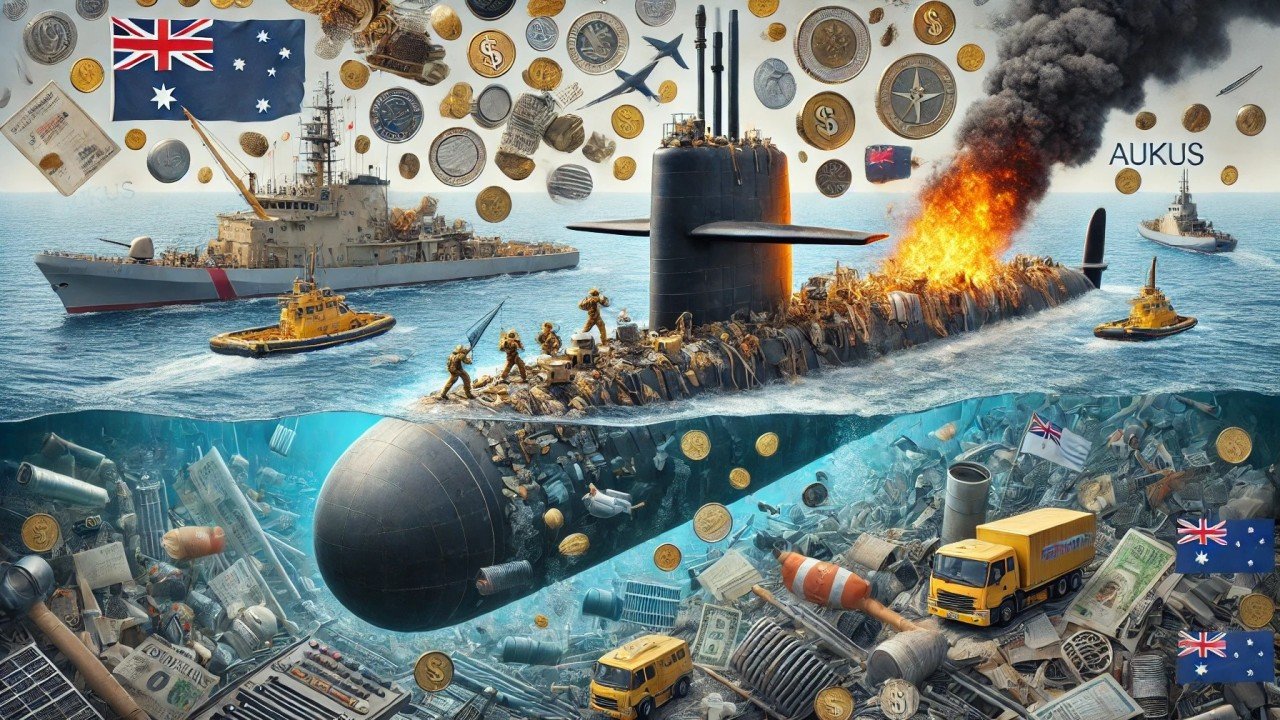
A Critical Analysis of Australia’s Submarine Choice: A Lesson in Mismanagement and Waste
The Former Australian Government’s decision to replace the aging Collins-class submarines with nuclear-powered submarines under the AUKUS agreement has been marred by mismanagement, excessive costs, and a lack of due diligence. This document provides a detailed critique of the decisions that led to an appalling waste of taxpayer money, and contrasts Australia’s approach with the more economical choices made by its Southeast Asian neighbors.

White Paper: Complex Electricity Tariff Imposition on Consumers
The complexities in electricity tariffs in Australia have left many consumers confused and frustrated. This white paper delves into the author's personal experience as a consumer, navigating electricity retailers and price comparison sites, and the difficulties in finding accurate and reliable information on energy tariffs. It also highlights the disconnect between advertised plans on price comparison sites and the actual fulfilment of contracts by electricity retailers. Consumers must be cautious and aware of hidden complexities within electricity contracts and tariffs, as discrepancies can lead to unexpected financial consequences.
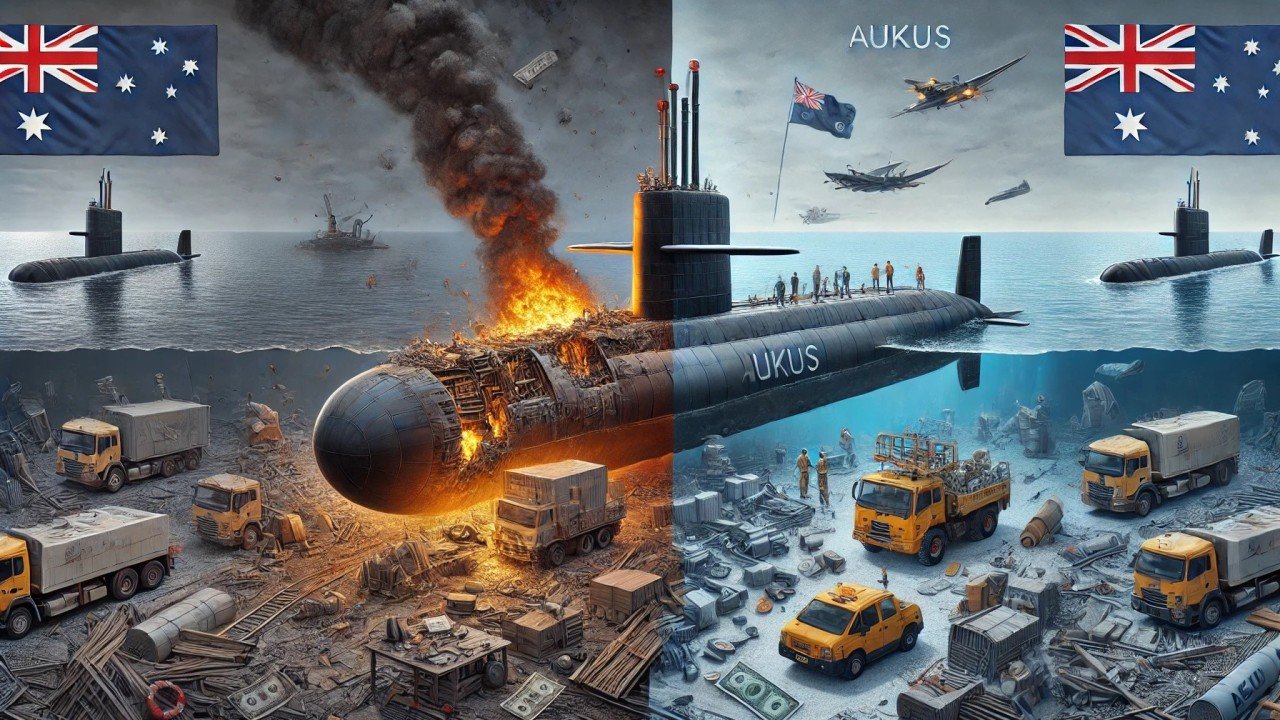
White paper: Restrictions on Nuclear Submarines in Defending Australia
Australia’s choice to acquire nuclear submarines under the AUKUS agreement raises significant strategic concerns, particularly when considering the geographical constraints and geopolitical realities of Southeast Asia. The overarching skepticism stems from the limitations of nuclear submarines in defending Australia’s critical trade routes, including oil and fuel supplies, and their operational challenges in Southeast Asian waters.

Consumer Advocacy and Protection: A Case Study of Supplier Practices in Watch Repairs
This article examines a consumer case involving an international watch brand repairer in Australia and highlights issues of consumer advocacy and protection. The case presents a scenario where a supplier, offers a repair quotation, but then makes offers that financially benefit the company, potentially at the expense of the consumer. This analysis explores the company's approach, relevant consumer laws, and the broader implications for consumer rights in Australia.

White Paper: Southeast Asian Eyes (SEAE)
The Southeast Asian Eyes (SEAE) is a concept for an Australian initiated, strategic intelligence-sharing initiative aimed at enhancing security, political stability, and economic integration across Southeast Asia. This paper outlines the benefits, challenges, and strategic imperatives of SEAE, emphasising its potential as an alternative to existing pacts like AUKUS, which are limited by conditional guarantees and may not fully align with Australia’s or Southeast Asian nations' strategic interests.

White Paper: Double Standards in Accountability – The Glass House Dilemma
Australian opposition leader Peter Dutton has recently accused the Labor Party of failing to address alleged criminal links within the Construction, Forestry, Maritime, Mining, and Energy Union (CFMEU). While these claims are significant, they also highlight a troubling issue in Australian politics: selective accountability. Misconduct accusations are often targeted at unions and opponents, while corporate misdeeds tied to political allies are left unchecked. This raises a key question: are those making these accusations themselves free from scrutiny, or are they living in a glass house?

White Paper: Proper Planning for Major Construction Projects
Effective planning in the early stages of a major housing construction project is crucial for its success. This white paper outlines a strategic framework for the allocation of funds in the startup and planning phase of a major project valued at $32 billion. By detailing the expected expenditures after the first 10% of the project timeline, we aim to provide a comprehensive guide for project managers, stakeholders, and financiers to ensure optimal resource distribution and risk management.
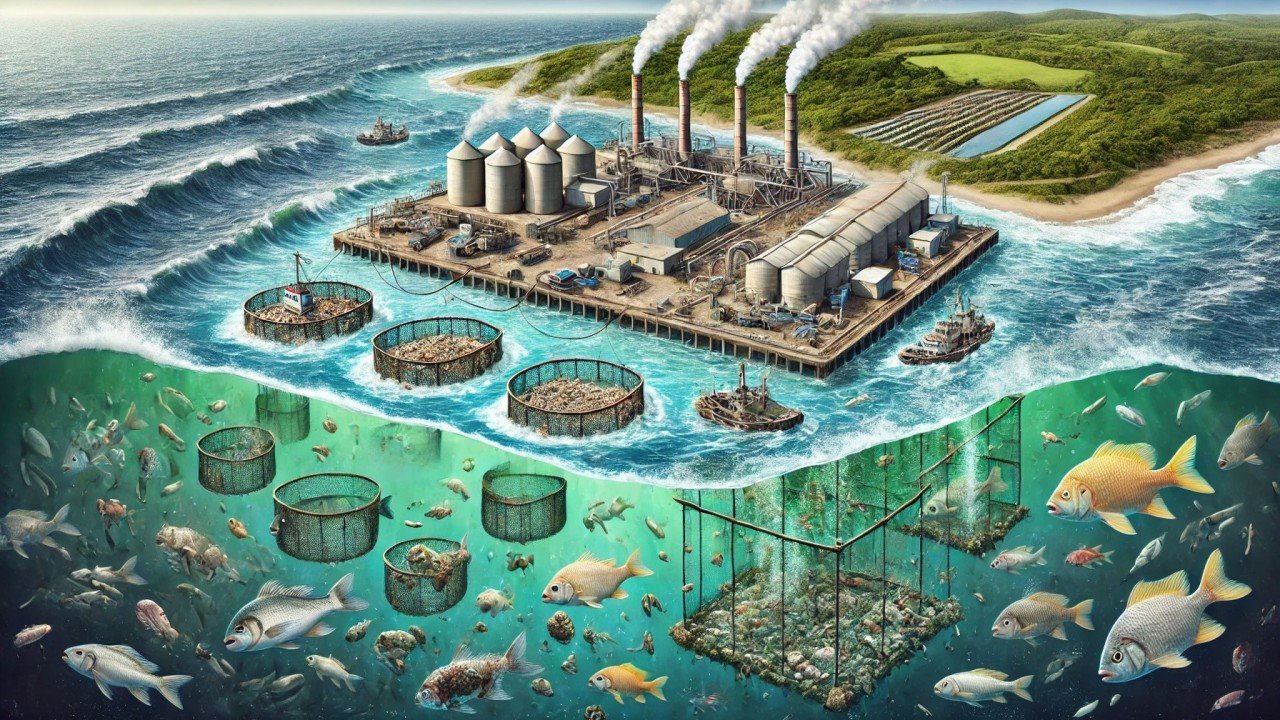
Tasmanian Aquaculture
Politicians are advocating for Tasmanian Salmon farming jobs, but the environmental impact is being overlooked. Bringing fish farms onshore, integrating waste into agriculture, and reducing strain on the environment could create more job opportunities. Isn't a win-win solution the better option here?

White Paper: Enhancing Democratic Accountability in Political Communication, Policy Decision-Making, and Financial Management
This article emphasises the importance of listening to stories before analysis to ensure that they deliver outcomes beneficial to communities' political, financial, and social interests. Understanding narratives is key to driving positive impact and addressing the diverse needs of society.

The news July 4 2024 Southern Ocean Monster
Australia's highest air pressure on record observed as monster high engulfs the nation.

Analysing the Flaws in Choice's ‘Cheapest Supermarket’ Report
The recent report by Choice on supermarket prices in Australia claims to reveal the cheapest supermarket chain based on a survey of 14 common grocery items. This report has significant implications for consumers and the retail industry. However, upon closer examination, the methodology and conclusions of the Choice report appear to be fundamentally flawed. This executive summary by CHATO International aims to debunk the Choice report and highlight the necessity for accurate, fair, and detailed consumer advocacy.

Understanding the Persistent Record-Breaking Global Temperatures: A Water Cycle Perspective
Recent global records have shown unprecedented high temperatures for ten consecutive months. This white paper presents an alternative hypothesis focusing on the water cycle's role, particularly the condensation process, in contributing to these temperature increases.
Small Modular Reactors (SMRs): A Risky Gamble Versus Proven Renewable Solutions
The renewed interest in Small Modular Reactors (SMRs) as a potential green energy solution has sparked considerable debate. This critical assessment leverages insights from the Institute for Energy Economics and Financial Analysis (IEEFA) and CHATO International Pty Ltd, presenting a unified and urgent argument against the adoption of SMRs. Historical precedents and the poor track record of the Australian opposition in managing complex infrastructure projects further underscore the need for a shift in attitudes and policies.

A Critical Assessment of Small Modular Reactors (SMRs): Viable Green Energy Source for Australia or Extreme Sovereign Risk?
The Australian opposition's recent push to consider Small Modular Reactors (SMRs) as a viable green energy source is fraught with significant risks and uncertainties. This white paper critically examines this proposal, assessing it against a cradle-to-grave framework, industry best practices, due diligence, and sovereign risk. By highlighting several critical issues, this paper questions the feasibility and prudence of adopting SMRs in Australia. Key concerns include the lack of proven waste treatment solutions, the failure of Synroc technology, and the absence of a safe long-term global disposal solution for radioactive components.
White Paper on Corrective Actions for Unit Pricing in Australian Supermarkets
This white paper addresses issues in unit pricing, particularly for products with both solid and liquid components. It proposes amendments to the Unit Pricing Code to ensure transparency, enhancing consumer protection and market competition.
Irregularities in Retail Unit Pricing in Australia
'Irregularities in Retail Unit Pricing in Australia' covers extensive research into discrepancies and potentially misleading practices in unit pricing across major grocery retailers in Australia. With the annual sales in the market sectors reviewed exceeding $2.7 billion, the findings underscore substantial, across the board consumer impact, particularly during times of cost of living pressures.